

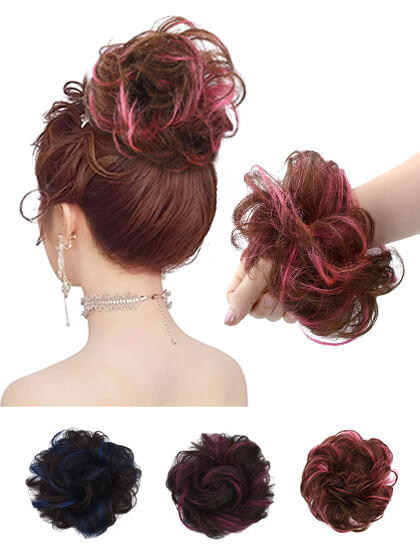

The first time you wear a wig, it can feel a little strange. You put it on, look in the mirror, and immediately start adjusting things. Maybe the front looks too low, maybe the hair feels too full, or maybe you are just not used to seeing yourself with a different hairstyle. Almost everyone goes through that stage.
The good thing is that wearing a wig gets easier with time. Most experienced wig users did not figure everything out on day one. They learned small tricks along the way, and those little habits made a big difference.
Start With the Right Fit
A wig that fits properly is usually easier to wear.
Before putting it on, try these simple steps:
-
Measure your head size.
-
Adjust the straps inside the cap.
-
Pin or flatten your natural hair.
If a wig feels too loose, it may move around during the day. If it feels too tight, you might end up taking it off earlier than planned.
The Four Finger Rule
Many beginners hear about the four finger rule. The idea is simple. Place four fingers above your eyebrows and start positioning the front of the wig around that area.
It is not a hard rule and it does not work perfectly for everyone, but it gives you a place to start.
Don't Try to Make It Perfect
This is one thing that surprises a lot of people.
Real hair is not perfect. There are always little flyaways, uneven pieces, and strands that refuse to stay in place. Wigs can look more natural when they have a bit of movement too.
You can try:
-
Changing the part slightly.
-
Pulling out a few tiny hairs near the front.
-
Avoiding heavy brushing.
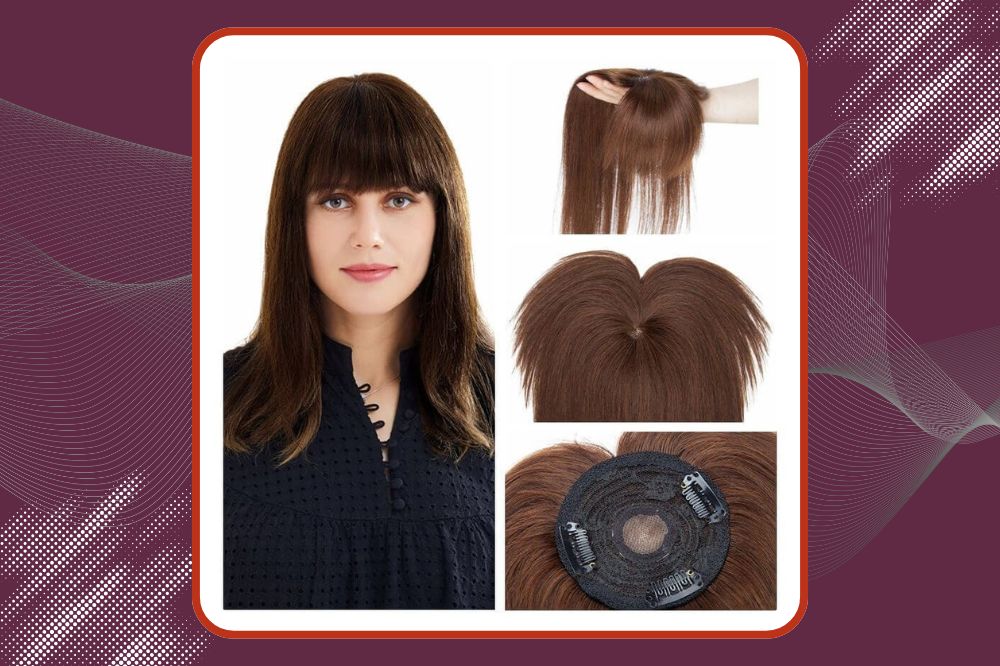
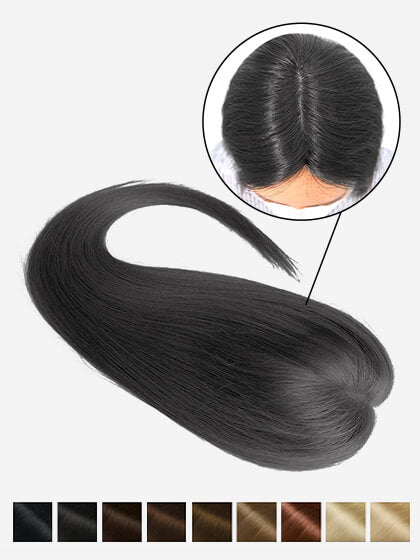
People who wear hair toppers for black hair often use these tricks because blending usually looks better than trying to create a perfect style.
Keep the Wig Secure
A common fear for beginners is that the wig might slip.
That worry usually fades once you find a method that works for you.
Some popular options include:
-
Adjustable bands.
-
Wig grips.
-
Bobby pins.
-
Double-sided tape.
Not everyone likes using clips. Some people actively search for a hair topper without clips because clips can feel uncomfortable after wearing them for several hours.
Washing Doesn't Need to Happen Every Week
A lot of first-time users wash their wigs too often.
It seems logical at first. You wear it, so you wash it. But wigs usually do better when they are cleaned only when necessary.
A simple routine often works best:
-
Detangle gently before washing.
-
Use cool or lukewarm water.
-
Let the wig air dry.
Sometimes doing less is actually better.
Storage Makes a Bigger Difference Than You Think
At the end of a long day, it is tempting to place your wig on a chair or toss it onto the dresser.
Most of us have done it.
But storing a wig properly helps it keep its shape and can reduce tangling.
A few easy habits include:
-
Using a wig stand.
-
Keeping it away from direct sunlight.
-
Storing it somewhere clean and dry.
None of these things are complicated, but together they can help a wig last longer.
Give Yourself Time
There is usually an adjustment period with wigs.
The first few days might feel awkward. You may keep checking your reflection or touching the hair every few minutes. That is completely normal.
After a while, the wig begins to feel like a regular part of getting ready in the morning.
Many guides from E-litchi Hair and other educational resources focus on this idea because confidence usually comes from practice rather than perfection.
Small Mistakes That Beginners Often Make
Most new users make a few mistakes, and honestly, that is part of learning.
Some common ones are:
-
Brushing curly fibers too hard.
-
Using hot tools without checking the material.
-
Cutting bangs right away.
-
Washing the wig too frequently.
-
Touching the hair throughout the day.
These things are easy to fix once you know about them.
One funny thing about wigs is that people around you usually notice them far less than you think. Beginners often spend a lot of time worrying about every little detail, while everyone else simply sees a hairstyle.
Eventually, all the small adjustments become habits. You learn how to put the wig on quickly, how to style it, and how to make it feel comfortable. It stops being something that needs a lot of thought.
And that is probably the biggest hack of all. Give yourself a little patience and let the process happen naturally.
FAQs
What is the four finger rule for wigs?
It is a simple guideline that helps position the front of the wig about four fingers above the eyebrows for a natural-looking hairline.
Is Dawn dish soap good for wigs?
It is generally not recommended because it may strip moisture and leave the fibers feeling dry.
What to know about wigs for beginners?
Choose the right fit, secure the wig properly, and avoid washing it more often than necessary.
How to secure a hair topper without clips?
Many people use soft bands, adhesive strips, or built-in grips instead of clips.
How to secure a wig that doesn't have clips?
Wig grips, adjustable bands, and gentle adhesive tape are common ways to keep it in place.