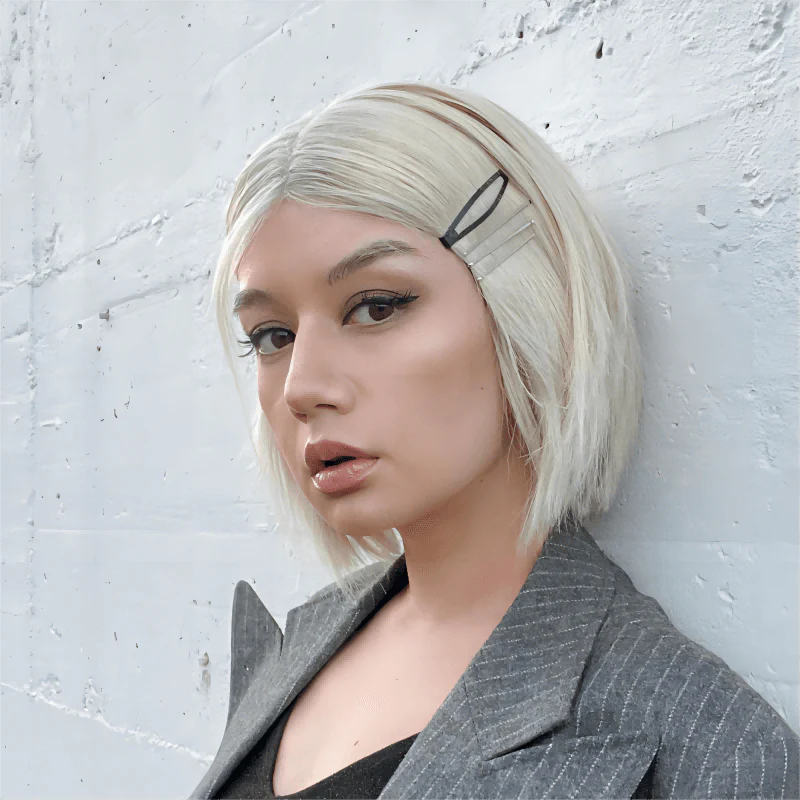
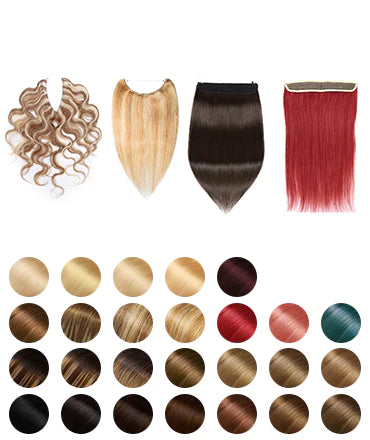
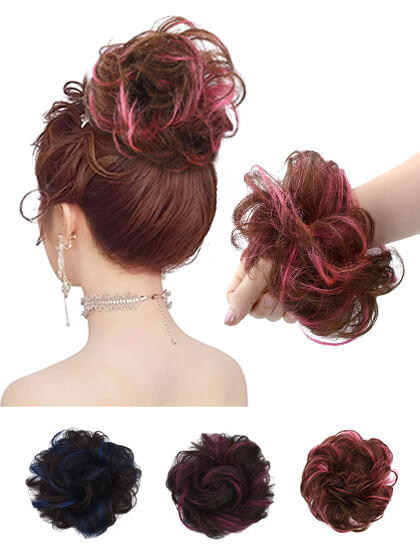

Choosing hair extensions sounds simple until you actually try matching them to your own hair. A color that looked perfect on a screen can end up looking slightly warmer, cooler, lighter, or darker once it is next to your natural strands. That is usually where people realize that matching hair is less about finding the exact same color name and more about understanding how color works in real life.
Whether someone is adding volume, creating length, or filling thinner areas, getting the color right makes a noticeable difference. A good match tends to disappear into the natural hair. A poor match usually stands out immediately.
This guide explains practical ways to match hair extensions more naturally without overcomplicating the process.
Start With Your Hair in Natural Light
Before comparing shades, check your natural color under daylight.
Indoor lighting often changes how hair appears. Warm lights can make hair look golden while cooler lights may pull out ash tones that are not actually dominant.
Try this:
-
Stand near a window.
-
Look at the middle and ends of your hair instead of the roots.
-
Avoid checking freshly washed wet hair.
Your roots and lengths are often different shades, and extensions usually need to blend with the visible lengths.
Understand Your Hair Undertone
Hair color is not only light or dark. It also has undertones.
Common undertones include:
-
Warm
-
Golden
-
Honey
-
Copper
-
Cool
-
Ash
-
Beige
-
Neutral brown
-
Neutral
-
Balanced mix of warm and cool
Two shades may look similar at first but appear completely different once worn because the undertones do not match.
For example:
-
Medium brown with warm undertones blends best with warm-toned extensions.
-
Cool brunette shades generally pair better with ash-based options.
Matching undertones often matters more than matching darkness.
Match the Mid-Lengths and Ends Instead of Roots
A common mistake is selecting extensions based on root color.
In reality:
-
Roots are usually darker.
-
Ends often carry highlights or fading.
-
Natural variation creates dimension.
Extensions should blend into the areas where they will sit.
If your ends are lighter than your roots, choose the lighter direction.
This approach usually creates a softer finish.
Do Not Be Afraid to Blend Multiple Shades
Natural hair rarely exists as one flat color.
Many people naturally have:
-
Darker roots
-
Slightly lighter mid-lengths
-
Sun-exposed ends
Instead of forcing a single match:
Consider combining:
-
One base shade
-
One lighter shade for depth
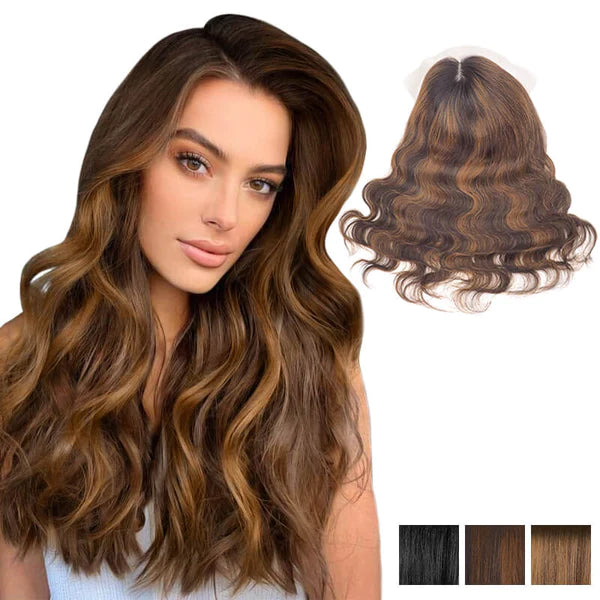
This creates movement and often looks more natural.
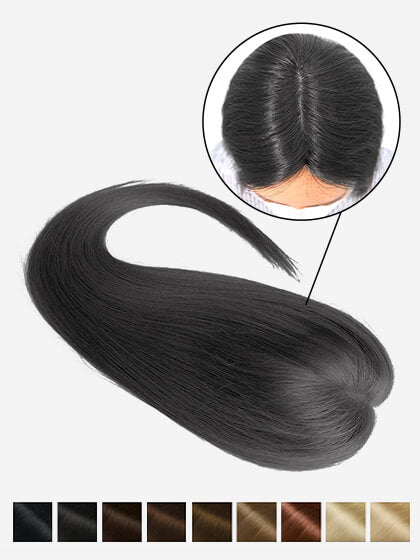
People using toppers sometimes follow this approach too, especially when matching hair toppers for black hair because natural black shades can still vary between neutral, warm, and soft brown tones.
Consider Texture Along With Color
Color does not work independently.
Hair texture changes how shades appear.
Examples:
-
Straight hair reflects more light.
-
Wavy hair shows dimension.
-
Curly textures can make colors appear darker.
When matching hair extensions, always evaluate:
-
Texture
-
Density
-
Shine level
-
Color together
Even a perfect color may feel mismatched if the texture is very different.
Use Photos Carefully
Online photos help, but they should not be the final decision maker.
Keep these points in mind:
-
Screens display colors differently.
-
Edited photos can shift tone.
-
Bright studio lighting changes appearance.
Instead:
Compare using:
-
Daylight photos of your own hair
-
Multiple reference images
-
Shade examples from different angles
Small differences become more visible once extensions are worn.
Think About Seasonal Changes
Hair color changes more than people expect.
During the year, hair may become:
-
Lighter from sun exposure
-
Darker in cooler months
-
Warmer after styling habits
If your shade changes regularly:
-
Choose a flexible neutral tone.
-
Select shades that blend across seasons.
This reduces the need to constantly switch extensions.
Test Before Committing to a Full Look
When possible, compare smaller sections before choosing a full set.
Pay attention to:
-
Indoor appearance
-
Outdoor appearance
-
Movement
-
Side profile
Ask:
-
Does the extension disappear into my hair?
-
Does the tone feel balanced?
-
Does one area stand out?
Natural-looking results usually come from subtle blending rather than exact duplication.
Final Thoughts
Matching hair extensions to natural hair color is usually less about finding perfection and more about finding balance. Looking at undertones, checking color in natural light, matching the visible lengths, and allowing slight variation often creates a more realistic result.
People sometimes expect an exact color copy, but natural hair already contains variation. Working with that variation instead of against it tends to create the most seamless finish.
When exploring shade options and topper styles, collections from E-litchi Hair can also help people understand how different tones and blends appear across hair types.