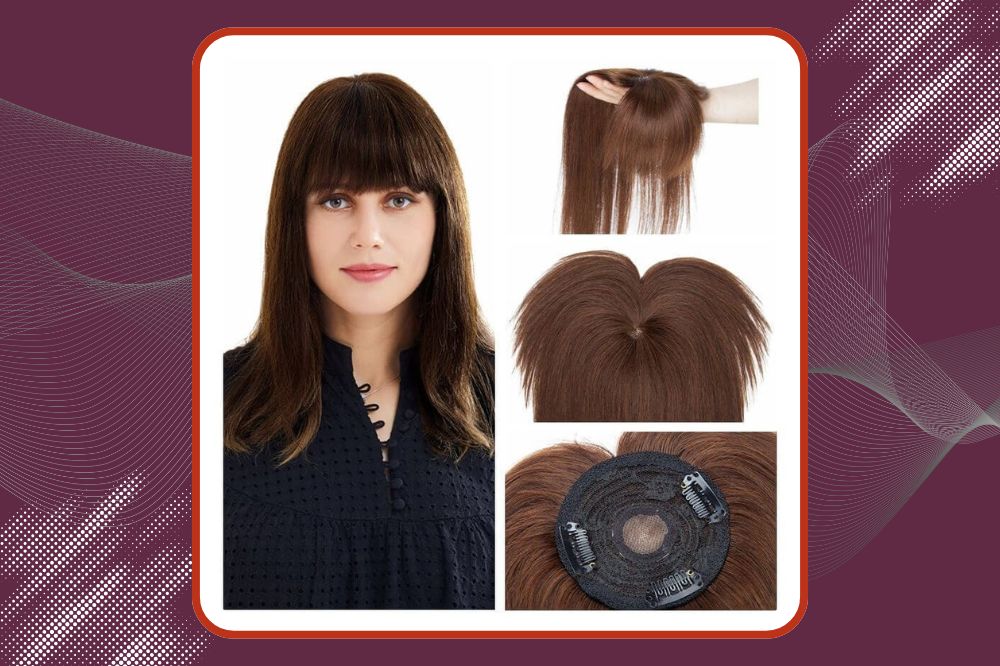
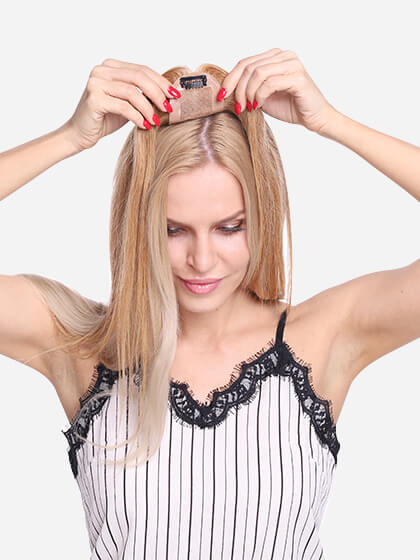
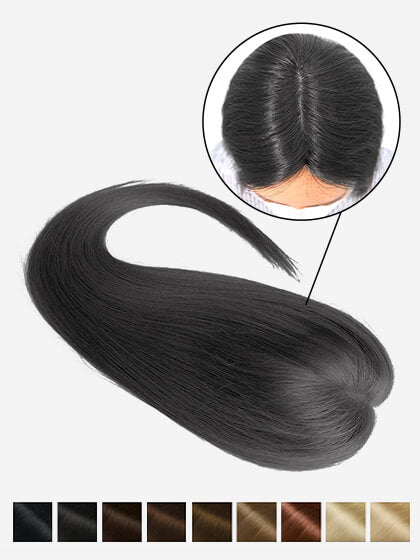
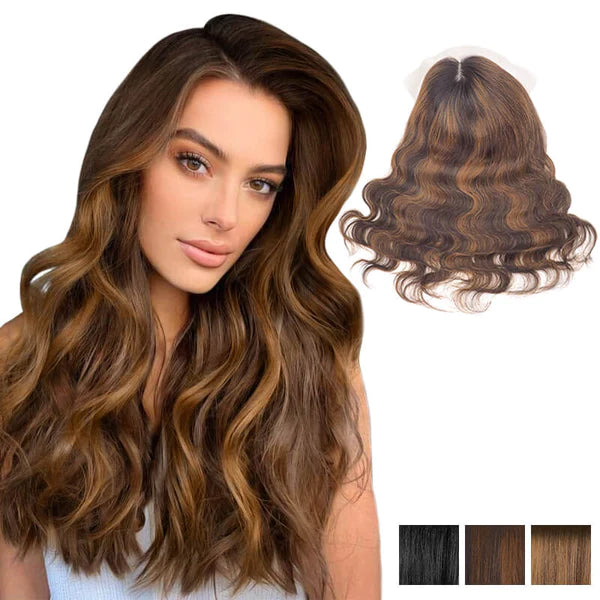
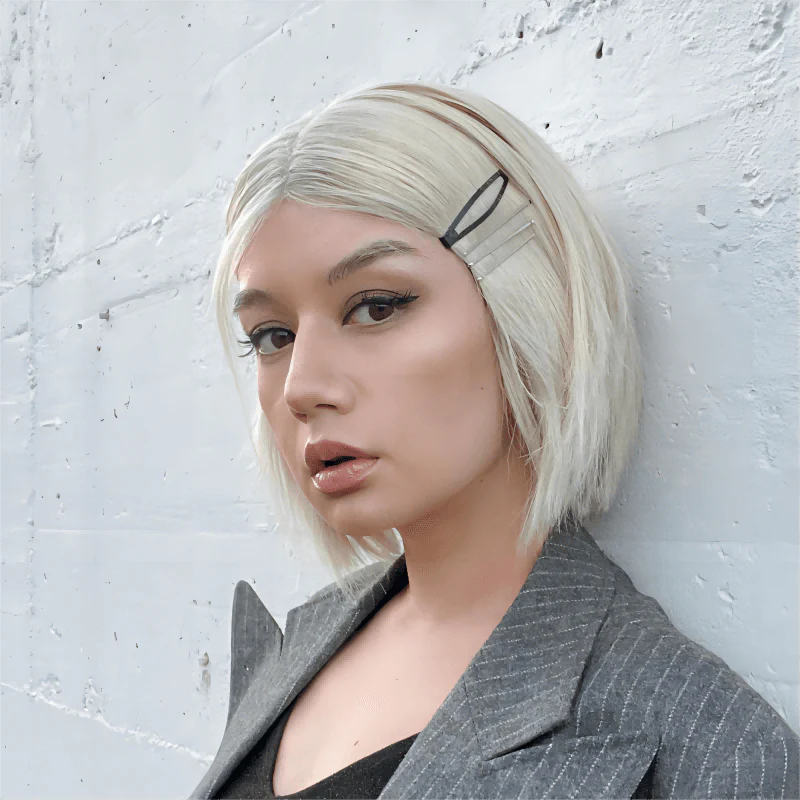
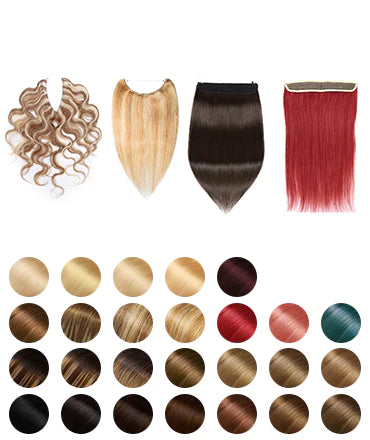
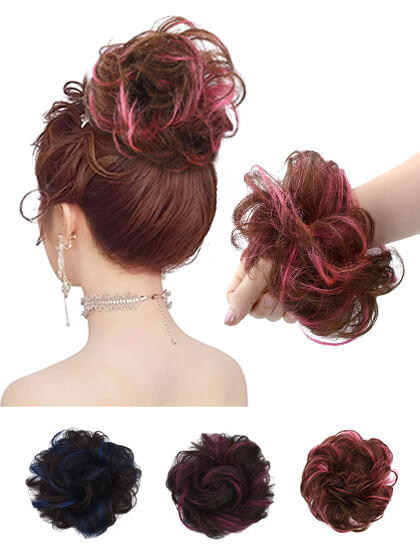

Thinning hair sneaks up on people. One day your part looks a little wider than you remember, and a few months later you're standing in front of the mirror wondering when exactly that happened. It's more common than most people realize, and Hair Toppers for Thinning Hair have become one of the easiest ways to deal with it without committing to anything drastic.
But walking into the world of toppers for the first time can feel like a lot. Different bases, different hair types, different price points, it's easy to end up more confused than when you started. Here's what actually matters when you're picking one out.
Start With Where You Need Coverage
Not all thinning looks the same. Some people notice it mostly at the crown, that spot right at the top back of the head where hair naturally parts and thins with age or hormonal changes. Others deal with more general thinning spread across a wider area.
A hair topper for thinning crown coverage is usually smaller and more targeted than a full topper, which matters because a topper that's bigger than what you actually need tends to look bulky and obvious, not natural. Measuring the thinning area honestly, rather than guessing, saves a lot of trial and error later.
Base Material Changes Everything
The base is the part of the topper that sits against your scalp, and it affects both how natural it looks and how comfortable it feels day to day.
-
Lace bases tend to look the most natural and mimic scalp coverage closely, though they can be more delicate
-
Silk bases hide knots well and are a good middle ground for beginners
-
Monofilament bases are durable and breathable, decent for daily wear
-
Poly bases grip well but can look less natural up close, usually better for shorter term wear
If invisible scalp coverage is the priority, lace or silk tends to win out over poly, even though poly is often cheaper and easier to attach.
Hair Type Matters More Than People Expect
Human hair toppers blend more seamlessly with your own hair and can be styled with heat tools, but they cost more and need more upkeep. Synthetic options are lower maintenance and hold their style longer without heat, but they don't blend quite as naturally and can't handle styling tools the same way.
For someone dealing with thinning hair topper needs day to day, matching the topper's texture and color closely to your natural hair matters more than most other factors combined. A slightly mismatched color is often more noticeable than the topper itself.
Getting the Fit and Attachment Right
A topper that doesn't fit properly will never look right, no matter how good the hair quality is.
-
Measure the thinning area with a flexible tape rather than guessing
-
Consider your attachment preference, clips, tape, or adhesive all work differently for different lifestyles
-
Think about how active your day to day life is, since that affects which attachment holds up best
-
Don't assume one size fits all, toppers really do vary quite a bit between brands
Getting fitted properly, either through measurements or a consultation, tends to save people from buying something that ends up sitting in a drawer.
Common Mistakes to Avoid
A few missteps come up again and again with first time buyers.
-
Buying based on price alone without checking base type or hair quality
-
Choosing a color that doesn't match natural hair closely enough
-
Skipping proper attachment methods and relying on clips alone for active days
-
Not asking about scalp coverage specifically when crown thinning is the main concern
Explore toppers made specifically for thinning crowns rather than settling for a general topper that wasn't really designed for that particular area.
Frequently Asked Questions
Which hair toppers are the best for thinning hair?
Toppers with lace or silk bases and human hair tend to look the most natural for thinning hair concerns.
How to pick the right hair topper?
Measure the thinning area, choose a base that matches your coverage needs, and match hair color and texture closely to your own.
Which hair topper is the most realistic?
Lace based human hair toppers generally look the most realistic, especially around the hairline and part.
What are the best hair toppers according to reviews?
Reviews consistently favor toppers with breathable bases, natural looking hairlines, and secure but comfortable attachment options.
Final Thoughts
Choosing the right hair topper comes down to a few key decisions, coverage area, base material, hair type, and proper fit. Getting even one of these wrong can mean the difference between a topper that looks natural and one that feels like a compromise. E-litchi Hair and similar providers tend to emphasize getting these basics right before anything else, since the best topper is the one that fits your specific situation rather than the most expensive option on the shelf.